

Now is the right time to become an American Federation of Musicians member. From ragtime to rap, from the early phonograph to today's digital recordings, the AFM has been there for its members. And now there are more benefits available to AFM members than ever before, including a multi-million dollar pension fund, excellent contract protection, instrument and travelers insurance, work referral programs and access to licensed booking agents to keep you working.

As an AFM member, you are part of a membership of more than 80,000 musicians. Experience has proven that collective activity on behalf of individuals with similar interests is the most effective way to achieve a goal. The AFM can negotiate agreements and administer contracts, procure valuable benefits and achieve legislative goals. A single musician has no such power.

The AFM has a proud history of managing change rather than being victimized by it. We find strength in adversity, and when the going gets tough, we get creative - all on your behalf.

Like the industry, the AFM is also changing and evolving, and its policies and programs will move in new directions dictated by its members. As a member, you will determine these directions through your interest and involvement. Your membership card will be your key to participation in governing your union, keeping it responsive to your needs and enabling it to serve you better. To become a member now, visit www.afm.org/join.

FIND OUT MORE ABOUT THE AFM

Officers Columns

Here are the latest posts from our officers

AFMPresidentRayHairW

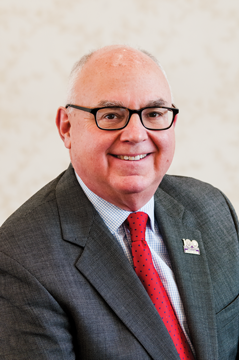
Ray Hair – AFM International President

Click here for more from AFM President

    Coalition and Contracts: AFM Works to Combat AI and Protect Musicians

    The language of music is universal, and the fight to protect the livelihoods of the people who create and perform it knows no borders. As generative artificial intelligence (AI) increasingly ingests and mimics the work of human artists without consent, compensation, and credit, national boundaries have become obsolete.

    During 2025, I have worked to strengthen national and international relationships. This year’s Year in Review (on page 10) highlights some of the allies we have worked with and coalitions we are building. In February, we joined the Entertainment Union Coalition in California, and at this year’s Game Developers Conference in March, the AFM announced a new partnership with the Communication Workers of America to organize video game workers.

    We continue to work with our allies in the AFL-CIO Department of Professional Employees toward solutions to the ongoing border issues faced by our Canadian members wishing to work in the US under P-2 visas (see AFM Director of Government Affairs Ben Kessler’s column on page 7).

    For the first time this year, the AFM was invited to speak at the International Alliance of Theatrical Stage Employees (IATSE) 70th Quadrennial Convention of Delegates. Our members and IATSE members work side by side in nearly every sector of the entertainment industry. Our solidarity in navigating common workplace issues is essential.

    Early in 2025, the AFM hosted the UK Musicians’ Union (MU) General Secretary Naomi Pohl and Head of International Services Dave Webster at our office. In return, I had the honor of being invited to speak at the MU Delegates’ Congress in Liverpool, England, where I addressed delegates on our shared challenges, including the impact of AI and securing fair compensation.

    Along with AFM Vice President from Canada Allistair Elliott and Symphonic Services Division (SSD) Director Rochelle Skolnick, I attended the FIM 23rd Congress in Geneva, Switzerland. At the congress, I was elected as a FIM vice president with four other musician union leaders from around the world.

    During October, we participated in “Music in the Digital Age: Streaming and AI” in Greece. The gathering hosted by FIM and APOLLON (Greek Musicians’ Collective Management Organisation) brought together artists, industry professionals, legal experts, policymakers, and more to shape the future of music rights. Our involvement in the International Federation of Musicians (FIM) is not merely an idealistic goal—it is a strategic imperative. We are actively working to establish worldwide standards for consent, compensation, and credit for all artists. 

    We saw a clear demonstration of the power of our national and international relationships during the challenging Broadway negotiations in October. We worked closely with our Actors’ Equity Association allies, providing mutual support as both our unions nearly went on strike. Critically, we received powerful letters of support from both the MU and FIM—a testament to the strength and immediate value of our transnational alliances.

    Building on this momentum, in November, I met with the leadership and musicians of the Jamaica Federation of Musicians and Affiliates Union (JFMAU). This initial meeting was very interesting, and I look forward a collaborative relationship with our neighbors in Jamaica, with more meetings already planned. Artists worldwide are all bound by a shared, existential threat to the profession and an urgent need to push for protections for all musicians.

    Looking Ahead to 2026

    Closer to home, we are preparing for the 103rd AFM Convention to be held June 20-23 in Canada’s beautiful capital city of Ottawa, Ontario. This is the first convention held in Canada in more than 50 years. If planning to attend, now is the time to ensure your passports are current as the process can take several months. (Additionally, passports should be valid for six months after your date of travel.) More details will be forthcoming from the Federation in January.

    In addition to being a convention year, 2026 will also be busy with critical negotiations. Talks for a successor Integrated Media Agreement (IMA) with symphonic media employers began in November. The IMA is vital, covering more than 8,000 orchestral musicians who work under locally negotiated symphonic agreements. The initial conversations have been productive, but we are currently working through several difficult issues. Negotiations will resume in 2026, and I am confident that we will reach a progressive agreement that benefits both the orchestras and the musicians.

    Also on the forefront are negotiations for a successor Sound Recording Labor Agreement (SRLA), set to begin the second week in January. This agreement covers the essential terms and conditions under which musicians are hired to produce sound recordings, and it is one of the most significant agreements for professional recording artists. Negotiation preparations have been ongoing for several months and have included a bargaining group survey to identify priorities, Contract Action Team (CAT) meetings to develop and refine our demands, and open forum member meetings that began this fall.

    One centerpiece of the SRLA negotiations will be consent, compensation, and credit for the use of musicians’ tracks in machine learning. In November, AFM leadership met with a contingency of independent recording musicians to discuss how they will best be served as we negotiate a progressive agreement.

    In Conclusion

    As 2025 draws to a close, I look back with immense pride on the progress we’ve made. The solidarity we’ve seen is inspiring, especially as we stand united against anti-union challenges and an unsettling political climate. I remain committed to strengthening these international ties and working to secure protections for our US and Canadian musicians.

    Thank you for your dedication, solidarity, and support this year. I wish you and your loved ones a joyful holiday season filled with peace, music, and celebration.

    Read More

jay blumenthal

Jay Blumenthal – AFM International Secretary-Treasurer

Click here for more from AFM Secretary-Treasurer

    Winning and Success—Two Different Concepts

    In New York City, Democratic Socialist Zohran Mamdani was elected mayor, with over 50% of the three-way vote, following one of the highest NYC voter turnouts in recent memory. His election has been hailed as a victory for the left-leaning populous, an indication of the emerging power of young adults and ethnic minorities, and portending momentous positive change for life in the Big Apple.

    Maybe. Winning a vote or an election is only the beginning of a long-haul struggle.

    The people who voted Mamdani into office in anticipation of his promises of free public buses, affordable housing, city-owned grocery stores, a rent freeze, and raising the minimum wage to be paid for with increased taxation on the wealthy, must understand that his election alone will not automatically manifest those promises. Electing Mamdani is only the start. Mamdani cannot do it himself—there are many, many political, bureaucratic, and private agencies and stakeholders connected and affected by those promises that will resist a disruption of the status quo. The same popular movement—the people—that brought Mamdani to office must stay engaged and activated if they want any of their dreams to become a reality.

    If they think voting on November 4 was enough and then go back to life-as-usual, nothing will change. One only has to look at Barack Obama’s presidency to see the disconnect between the euphoria following his election and the moribund societal and governmental status quo that followed for the next eight years. Change takes a steady and relentless push from a lot of people

    The work of the people of New York City, therefore, has only just started, and the next several months will reveal if the people are up to the task.

    Following his election as US President in 1932, organized labor approached Franklin Roosevelt and demanded significant labor law reform. Roosevelt recognized the need for reform, but told the labor leaders, “You must force us to do this, because unless you do, Congress will not act.” Taking up the challenge, workers delivered up two years of nationwide demonstrations, strikes, and work stoppages, ending with Congress adopting the 1935 Wagner Act, which guaranteed the right of workers to collectively bargain with their employers.

    The same principle applies in our little piece of the universe. The members of a bargaining unit, like an orchestra or theater group, who fill out a contract survey and then totally leave it up to their five-person negotiating committee to wield some sort of magic at the negotiating table cannot expect the most desirable outcome. Their committee needs the active and engaged participation of all the musicians if the employer or management is to be persuaded to agree to their contract demands. I have personally witnessed the amazing results that are achieved by musicians who step out of their comfort zone and together stake out their position on the front lines—and who then discover themselves living in a new, expanded comfort zone: collective strength. Settling a contract negotiation is not the end of a process; it’s the beginning of the next contract campaign. Building strength, whether it’s physical strength, political strength, or labor strength, requires clear goals, planning, and steady incremental action—just like our work. Steady, smart practicing means we’re always ready for the next gig. Steady, smart preparation means we’re always ready for the next contract campaign

    Read More

alan willaert

Alan Willaert – AFM Vice President from Canada

Click here for more from AFM Vice President from Canada

    Money and Politics

    In Canada, the arts and culture sector contributed more than $65 billion to direct gross domestic product (GDP) last year. The total economic impact of the sector is over $100 billion in GDP. The reality is that arts and culture in Canada supports more jobs per dollar than other key sectors such as oil and gas, manufacturing, or agriculture, and generates $29 in economic activity for every dollar in federal investment.

    Announcements in the federal budget last month extended funding for the next three years to Canada Music Fund. While our Creative Industries Coalition lobby efforts for a Live Performance Tax Credit were considered, the budget fell short of including such an announcement.

    Collecting statistics such as above, which were shared from the Canadian Chamber of Commerce report published Oct 28, 2025, as well as the data we collected from the town hall meetings last month, are critical to advocacy efforts to build political power for our union.

    After our recent submission to Global Affairs Canada on the Canada United States and Mexico Agreement (CUSMA), I recently had the opportunity to meet with Member of Parliament for Fredericton, New Brunswick, David Myles to discuss current advocacy strategy on P-2 visa issues. I am thankful to Member of Parliament Myles, who is a former AFM member and Juno Award winner, for taking a personal interest. I look forward to working with him on this file.

    On November 12, I met with staff in Minister Dominic LeBlanc’s office. Minister LeBlanc serves as president of the King’s Privy Council and is the minister responsible for Canada-US Trade, Intergovernmental Affairs and Minister of Internal Trade. His office is front and centre in negotiations with the US administration.

    Canadian Conference Secretary and Local 180 (Ottawa, ON) Secretary-Treasurer Robin Moir and I had a productive meeting with the Director of Policy and a Senior Policy Advisor from Minister LeBlanc’s office. We had open and constructive conversations around specific issues and strategy for Canadian musicians travelling to the US for work. Further meetings with senior policy staff at Global Affairs Canada and a meeting with Canadian Air Transport Security Authority (CATSA) staff completed a couple of productive and informative days on continuing advocacy efforts in Ottawa.

    Thank you to the attendees at our town hall meetings over the last few weeks. The information and data continue to be collected. The discussions from these recent meetings in Ottawa showed high interest in our CUSMA submission and are an indication of further, more in-depth discussions to come.

    The work in Washington, DC, by AFM Director of Government Affairs Ben Kessler and International President Tino Gagliardi with the Labor Advisory Committee have been completely synchronized with our submission to Global Affairs Canada on the CUSMA submission. I anticipate further discussions with senior policy staff in Minister LeBlanc’s office in the coming months.

    Our AFM mission statement at work means members continue to engage through our locals to have a meaningful voice in decisions that affect us, and we will continue building political power to ensure that musicians’ voices are heard at every level of government.


    L’argent et la politique

    par Allistair Elliott, vice-président de l’AFM pour le Canada

    Au Canada, le secteur des arts et de la culture a contribué à hauteur de plus de 65 milliards de dollars au produit intérieur brut (PIB) direct l’année dernière. L’impact économique total du secteur dépasse les 100 milliards de dollars de PIB. De fait, les arts et la culture au Canada soutiennent plus d’emplois par dollar que d’autres secteurs clés tels que le pétrole et le gaz, l’industrie manufacturière ou l’agriculture, et ils génèrent 29 dollars d’activité économique pour chaque dollar investi par le gouvernement fédéral.

    Parmi les annonces liées au budget fédéral le mois dernier figure le prolongement pour trois ans du financement pour le Fonds de la musique du Canada. Toutefois, bien que nos démarches avec la Coalition des industries créatives en faveur d’un crédit d’impôt pour les spectacles aient été prises en considération, le budget n’a pas inclus d’annonce à cet égard.

    La collecte de statistiques telles que celles énumérées ci-haut, qui sont tirées du rapport de la Chambre de commerce du Canada publié le 28 octobre 2025, ainsi que des données que nous avons recueillies lors des assemblées publiques du mois dernier, est essentielle pour nos actions de lobbyisme en vue de renforcer le pouvoir politique de notre syndicat.

    Après notre récente soumission à Affaires mondiales Canada concernant l’Accord Canada-États-Unis-Mexique (ACEUM), j’ai récemment eu l’occasion de rencontrer le député de Fredericton (Nouveau-Brunswick), David Myles, pour discuter de la stratégie actuelle de défense de nos intérêts en matière de permis P-2. Je suis reconnaissant au député Myles, ancien membre de l’AFM et lauréat d’un prix Juno, de s’être personnellement intéressé à cette question, et je me réjouis de travailler avec lui sur ce dossier.

    Le 12 novembre, j’ai rencontré le personnel du cabinet du ministre Dominic LeBlanc. Le ministre LeBlanc est président du Conseil privé du Roi et ministre responsable du Commerce Canada-États-Unis, des Affaires intergouvernementales et du Commerce intérieur. Son cabinet est au premier plan des négociations avec l’administration américaine.

    Robin Moir, secrétaire de la Conférence canadienne de l’AFM et secrétaire tréso-
    rier de la section locale 180 (Ottawa, Ontario), et moi-même avons eu une réunion productive avec le directeur des politiques et un conseiller principal en politiques du cabinet du ministre LeBlanc. Nos conversations ont été ouvertes et constructives et porté sur des questions spécifiques, notamment la stratégie à adopter pour les musiciens canadiens qui se rendent aux États-Unis en vue de travailler. D’autres réunions avec des hauts responsables politiques d’Affaires mondiales Canada et une réunion avec le personnel de l’Administration canadienne de la sûreté du transport aérien (ACSTA) ont complété ces deux journées productives et instructives à Ottawa consacrées à la poursuite de nos efforts de lobbyisme.

    Merci à tous ceux qui ont participé à nos assemblées publiques au cours des dernières semaines. La collecte d’informations et de données se poursuit. Les échanges qui ont eu lieu lors de ces récentes réunions à Ottawa ont démontré un vif intérêt pour notre soumission relative à l’ACEUM et laissent présager des discussions plus approfondies à venir.

    Le travail effectué à Washington D.C. par le directeur des Affaires gouvernementales de l’AFM, Ben Kessler, et le président international, Tino Gagliardi, avec le Comité consultatif du travail a été parfaitement synchronisé avec notre soumission à Affaires mondiales Canada sur l’ACEUM. Je prévois qu’il y aura d’autres discussions avec les hauts responsables politiques du cabinet du ministre LeBlanc dans les mois à venir.

    Notre mission, telle que définie dans l’énoncé de mission de l’AFM, signifie que nos membres continuent de s’engager par l’intermédiaire de nos sections locales afin d’avoir une voix significative dans les décisions qui les concernent. Et nous continuerons à renforcer notre pouvoir politique afin de garantir que la voix des musiciens soit entendue à tous les paliers de gouvernement.

    Read More

Other Officer Columns:

Canada’s Uniqueness within the Federation: Unity in Diversity

Canada plays a vital role in enhancing the diversity of the AFM. While Canadians and Americans share a supportive and harmonious relationship within the Federation, recognizing the distinct characteristics of each country helps foster greater mutual understanding.

First, a few figures: Canadians represent 21% of AFM’s membership. There are 24 Canadian locals, with the largest being Local 406 (Montreal, PQ) with 3,113 members, Local 149 (Toronto, ON) with 2,504 members, and Local 145 (Vancouver, BC) with 1,462 members.

Linguistic Duality: Canada distinguishes itself by officially recognizing both English and French at the federal level under the Charter of Rights and Freedoms and the Official Languages Act. Quebec’s only official language is French, while New Brunswick is officially bilingual. About 22% of Canadians speak French as their first language, concentrated in Quebec (82%) and New Brunswick (30%). In contrast, the US Constitution does not designate official languages.

Music Industry Landscape: Canada’s music industry is heavily influenced by independent labels, especially in Quebec, where French-language content is prevalent. The ADISQ (Québec Association for the Recording, Concert and Video Industries) association represents many independent record companies and has agreements with Local 406. For film and television, the Association Québécoise de la Production Médiatique (AQPM) handles French-language productions, while the Canadian Media Producers Association (CMPA) focuses on English-language content.

Federal and Provincial Cultural Responsibilities: Cultural matters in Canada are shared between federal and provincial governments. The Canadian Radio and Television Council (CRTC) oversees communications, and the Canadian Heritage ministry supports the arts, languages, multiculturalism, and sport. Federal support for the cultural sector comes through agencies such as the Canada Council for the Arts, Telefilm Canada, Foundation Assisting Canadian Talent on Recordings (FACTOR), and Musicaction. Major national institutions include CBC/Radio-Canada, Library and Archives Canada, the National Film Board (NFB), and the National Arts Centre.

Provinces also play a significant role through agencies like the Ontario Arts Council, Music BC, and the Alberta Foundation for the Arts, each providing public funding for the arts. Quebec stands out for its cultural independence and dedicated institutions, prioritizing French-language content and funding through Société de développement des entreprises culturelles (SODEC) and Conseil des arts et des lettres du Québec (CALQ). Quebec’s Ministry of Culture and Communications spearheads efforts to safeguard the French language, and the province operates a network of music conservatories.

Laws Protecting Artists: Canada has unique laws governing the professional relationships between artists (as self-employed workers) and producers, ensuring recognition of associations, and establishing collective bargaining as a requirement. Quebec’s 1989 law recognizes AFM Local 406 as the sole representative in Quebec for professional musicians and permits binding arbitration in disputes. At the federal level, the Status of the Artist Act of 1992 applies to federally regulated corporations like CBC/Radio-Canada and the NFB.

Canada’s Distinctive Status in the AFM: The Federation’s Bylaws acknowledge Canada’s unique position. For all activities within Canada, the AFM is known as the “Canadian Federation of Musicians/Fédération canadienne des musiciens.” Canada is represented on the AFM International Executive Board (IEB) by a Canadian vice president elected by Canadian delegates. In 2023, for the first time, two Canadians were elected as IEB officers by all delegates, reflecting growing international unity. The Bylaws further accommodate Canada’s linguistic realities by providing translations and adjusting for legislative differences, particularly in labor and trade union law.

Canadian and American musicians are united within the Federation—one family, diverse but committed to living and working with dignity, as stated in Article 2 of the AFM Bylaws.


La spécificité du Canada au sein de la Fédération : l’unité dans la diversité

par Luc Fortin, membre du conseil de direction international (IEB) de l’AFM et de la section locale 406 (Montréal, Québec)

Le Canada enrichit la diversité de l’AFM tout en maintenant une relation harmonieuse et solidaire avec ses homologues américains. Il est important de souligner les caractéristiques propres à chaque pays pour favoriser une compréhension mutuelle optimale.

D’abord quelques chiffres : les Canadiens représentent 21 pour cent des membres de l’AFM, et sont répartis parmi 24 sections locales dont les principales sont Montréal (3113 membres), Toronto (2504 membres) et Vancouver (1462 membres).

La dualité linguistique canadienne : À la différence des États-Unis, qui n’a pas de langue officielle reconnue par sa constitution, le Canada reconnaît deux langues officielles au plan fédéral : le français et l’anglais en vertu de la Charte canadienne des droits et libertés et la Loi sur les langues officielles. Le Québec désigne le français comme seule langue officielle, tandis que le Nouveau-Brunswick est la seule province officiellement bilingue. Environ 22 % des Canadiens parlent principalement le français, essentiellement au Québec (82 %) et au Nouveau-Brunswick (30 %).

L’industrie de la musique : Les labels indépendants occupent une grande part de la production musicale, surtout au Québec où le contenu francophone est important. Les maisons de disque indépendantes du Québec sont regroupées au sein de l’ADISQ, qui a des ententes avec la GMMQ, la section locale 406 de l’AFM. Pour le film et la télévision, l’Association québécoise de la production médiatique couvre les productions en français tandis que la Canadian Media Producers Association s’occupe du contenu anglophone.

Compétences culturelles fédérales et provinciales : Les responsabilités culturelles sont partagées entre le gouvernement fédéral et les provinces. Le fédéral, par l’entremise du CRTC et de Patrimoine Canadien, réglemente les communications et soutient la culture et les langues officielles. Il offre aussi un soutien financier à l’industrie culturelle par le truchement d’organismes comme le Conseil des arts du Canada, Téléfilm Canada ou Factor-Musicaction, et gère des institutions nationales telles que la SRC/CBC, l’Office national du film et le Centre national des Arts. Les provinces soutiennent aussi les arts, les musées, les festivals et le patrimoine régional. Le Québec se distingue par son autonomie culturelle, sa politique de protection du français et ses institutions propres comme la SODEC et le CALQ.

Les lois sur le statut de l’artiste : Au Canada, des lois protègent les artistes indépendants et encadrent leurs relations avec les producteurs, prévoyant la reconnaissance d’associations, la résolution des différends et la négociation collective. Au Québec, la loi de 1989 reconnaît la GMMQ (section 406 de l’AFM) comme seul organisme habilité à représenter les musiciens professionnels, ce qui a mené a l’époque à la fusion des trois sections locales en une entité unique. La loi prévoit aussi le recours à l’arbitrage en cas d’impasse lors d’une première négociation.

Le statut distinctif du Canada au sein de l’AFM : La spécificité canadienne est reconnue dans le Règlement intérieur de la Fédération. L’organisation porte le nom de « Canadian Federation of Musicians/Fédération canadienne des musiciens » pour ses activités au Canada. Le Canada est représenté à l’exécutif international par un vice-président canadien élu par les délégués canadiens. L’AFM traduit les règlements, ententes et certains articles en français, ce qui est apprécié des membres francophones.

En conclusion, les musiciens canadiens et américains forment une grande famille diversifiée mais unie, « afin de vivre et travailler en toute dignité » (article 2 du Règlement intérieur de l’AFM).

Read More

Ed Malaga

Performing Artists Must Be Protected from Censorship 

The recent efforts to censor the voices of creative artists presents a troubling development for performing artists of all disciplines. AFM International President Tino Gagliardi’s response to ABC taking Jimmy Kimmel off the air was articulated perfectly:

“This is not complicated: Trump’s FCC identified speech it did not like and threatened ABC with extreme reprisals. This is state censorship. It’s now happening in the United States of America, not some far-off country. It’s happening right here and right now. This act by the Trump administration represents a direct attack on free speech and artistic expression. These are fundamental rights that we must protect in a free society. The American Federation of Musicians strongly condemns the decision to take Jimmy Kimmel Live! off the air. We stand in solidarity with all those who will be without work because of government overreach.”

It is because the arts have long served as a mirror for society that the current trend of censoring those who express opinions considered controversial must be countered by the collective resistance and action of all artists. In the words of President John F. Kennedy, “If art is to nourish the roots of our culture, society must set the artist free to follow his vision, wherever it takes him. We must never forget that art is not a form of propaganda; it is a form of truth.”

I can’t recall a time when we have been in more urgent need of the voice of our artists than at the present. It is a time when public support for all the performing arts has become even more critical. The AFM is working with fellow trade unions to build coalitions and work collaboratively to advocate for artists and influence policy, with support for the National Endowment for the Arts as a prime example.

There have been decisions made by artists who, as a form of political statement, chose to cancel their performance commitments. The end result is that an important platform has been abandoned, and we’ve lost a critical opportunity to engage with audiences directly in this consequential time. In any case, the atmosphere in which artists are currently working will certainly impact the cultural landscape and possibly the foundations of artistic freedom.

Defending the freedom of performing artists is not an option at this point; it is essential and necessary for our society and for the values that we consider most important. When art is only allowed to reflect what is safe and approved, we have lost a mirror that shows us who we really are.

Read More

Tina Morrison, AFM International Executive Board Member and Local 105 (Spokane, WA) Executive Board

A Recipe to Organize 

Ingredients: 1 part union musicians; 1 part other local unions; 1 part local organizations; 1 part local elected representatives 

Start by gathering a group of musicians and identifying core issues. Sprinkle in a survey, followed by member-to-member conversations. Share information, take it to a musician’s union meeting, develop consensus, and let rise.  

Next, fold in other unions by arranging for musicians to speak at their local member meetings. Talk about what it means to be a working musician and mix in commonalities such as providing tools, work clothes, and transportation. Add a pinch of training and expertise and mix. Ask for their input and build relationships. Let it rise! 

Create a resolution to take to your central labor body, and with the support of the other unions, pass the resolution. Enlist their aid identifying community and faith-based organizations that could be mixed in to support your goals. Let it rise, again!  

Fold in local organizations and develop support. The community needs to understand how a healthy, thriving music scene will benefit them. Get their input and adjust as needed to strengthen alignments. Turn up the heat and let it cook!  

Prepare the toppings. Arrange with your partners to meet with local elected officials. Demonstrate the alignments and support for your initiative within the greater community they represent. Enlist their aid with refining your end goals. Once all the ingredients are in, and the flavors are aligned, bring it to a vote!  

I’ve witnessed other unions use this recipe successfully and thought you all might like to try it. If the ingredients are added in properly, with full buy in and participation, then political divisions can be crossed successfully. It may not turn out perfectly the first time, but the recipe can be tweaked as time goes on to make improvements. It is foundational work that can be built on over time.  

I have a vision of community workforce agreements that would guarantee musicians appropriate compensation for work in any city, county, or state function. It could include music performances in parks, libraries, schools, state hospitals, airports, or any other publicly funded entity.  

Even if a first attempt fails, the time is not wasted. More people become educated about musical work and start to see musicians as being important workers in the community that they care about. Relationships with community members also build audiences for musical performances and engagements.  

Building this foundation in your community sends a message to contractors and employers of musicians. They need to do their work properly to ensure they are meeting the requirements their community expects, not just what musicians expect. Contractors and employers have the responsibility to raise funds and provide a safe workplace for musicians, but they need to be told what the expectations are, and the expectations need to be enforceable.  

I wish it was enough to be good at your job, to provide beautiful performances, and to excel on your instrument. I’ve heard the statement so many times that “cream will rise to the top,” but there’s another truth from wastewater workers that I’ll leave to your imagination.

I believe that music is what brings people together across all divisions. With technology infiltrating our lives on a minute-by-minute basis, it’s important for people to come together and celebrate our humanity. Music can do this better than any other art form.  

Thank you all for your work, but please consider taking the next step of blocking time to attend your local union meetings and get involved!  

Read More

Don’t Leave Money on the Table: Protect Yourself and Your Intellectual Property Rights

Now more than ever, it is essential to document your recording work by putting it under an AFM contract. The music industry has undergone significant shifts over the past few decades, with its rules changing dramatically.

The days of major record labels and high-level managers controlling every aspect of an artist’s career are long gone. The creative use of social media provides PR opportunities that were unthinkable just a few years ago. The seemingly endless parade of unpredictable success stories of independent artists who break through the old barriers continue to throw the past business models to the curb.

Every musician knows that there is recording going on in the jurisdictions of every local in the AFM. The important fact every musician needs to know is the tangible value of documenting their work with an AFM recording contract. And they need to find ways to help employers and producers understand that it’s valuable for them too. For example, many people don’t know that an AFM contract makes the recording a “work for hire,” which protects the employer on several levels. The AFM continues to adjust our union recording agreements to align with new parameters as they emerge. Musicians who make the effort to bring those agreements into their world will realize the benefit of doing so.

One benefit is compensation for the use of studio tracks onstage. For years, it was simply deemed “illegal” to do so, as it would displace live musicians. As technology made syncing up recorded tracks with a live performance much easier, the use of studio tracks in concert became commonplace. As more artists began using tracks onstage to enhance their shows, we came up with a per show rate, based on touring Broadway musicals, that was reasonable and realistic.

We took this idea to the record labels and it was incorporated into the Sound Recording Labor Agreement (SRLA). Local 257 (Nashville, TN) has billed and collected nearly $1 million for musicians whose tracks were used onstage. We have had to explain to artists that the intellectual property they are using belongs to the label, and that the artist is responsible for payment to musicians. Someone has to say something to start the process. Don’t be afraid to speak up.

Another way to make sure your work is covered, even when you are recording at home, is to use the Single Song Overdub agreement. It is the only AFM recording agreement that is per song rather than by the hour and that also allows you the option to make your own pension contribution, if desired, via designation by the employer on the agreement. The scale, health and welfare, and pension are all built into the round number, and the Single Song worksheet shows you the breakdown.

After completing the work, send the overdub to the employer in a mix, but do not send them an isolated track until you have been paid. You can then file the contract and agreement with your local, and make the correct pension contribution for the amount received using the Single Song worksheet. This agreement can also be used in combination with a Local Limited Pressing agreement. The upgrade parameters are the same as for the Limited Pressing.

As the big budget days of the last century fade away, Low Budget Master is also on the rise as a win-win for players and employers. In exchange for a little bit of paperwork on the front end to get the project approved in advance of recording, the musicians get credit in the AFM Special Payments Fund for five years. Unlike demo and Limited Pressing sessions, the employer can pitch their music for film, television, and commercials without having to pay an upgrade. The back-end residual payments for employers to the Special Payments Fund are extremely affordable. For example, if an album sells 100,000 units, the back-end residual payment is less than $3,000. A sale of 500,000 units would trigger a residual of $31,000. These numbers are not dealbreakers, and create opportunities for musicians to be paid more than once when their work is used in new ways. That is the power of AFM contracts.

As we get ready to enter negotiations with the record labels for a new agreement, as we have done in our most recent TV and film negotiations, we will continue to look forward and address challenges as they emerge. This is nothing new, we have been dealing with technological advances that affect our work for more than a century. The value of music remains strong, and the AFM will continue to do all we can to ensure that musicians and their intellectual property are respected and valued. But it all starts with you, the players. Help us help you by asking your employers to do the right thing and put your work on an AFM contract. It can make a huge difference in your bottom line over time and into the future.

Read More


NEWS


https://totoabadi25.com/ abadicash abadislot Menara368 royalbola abadislot abadislot menara368 abadicash menara368 totoabadi Menara368